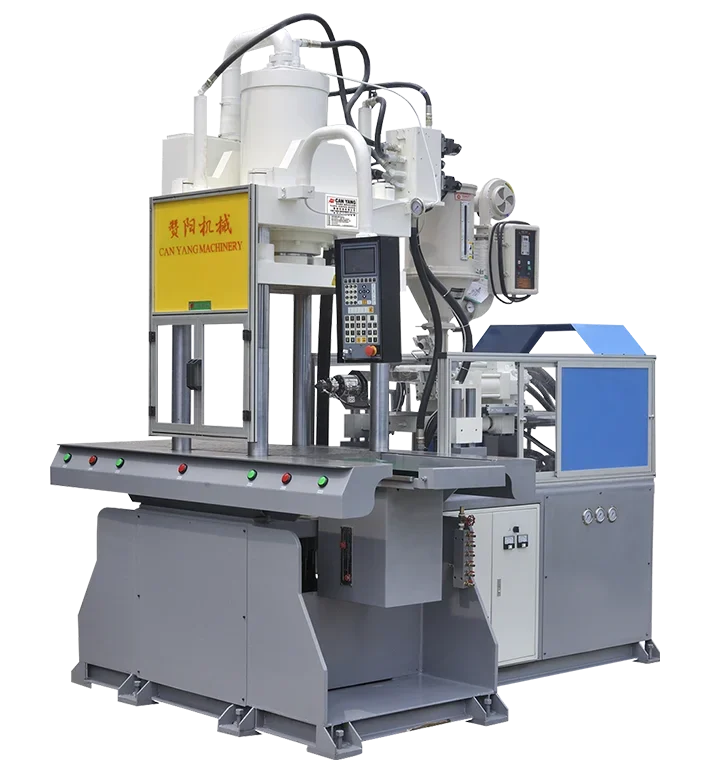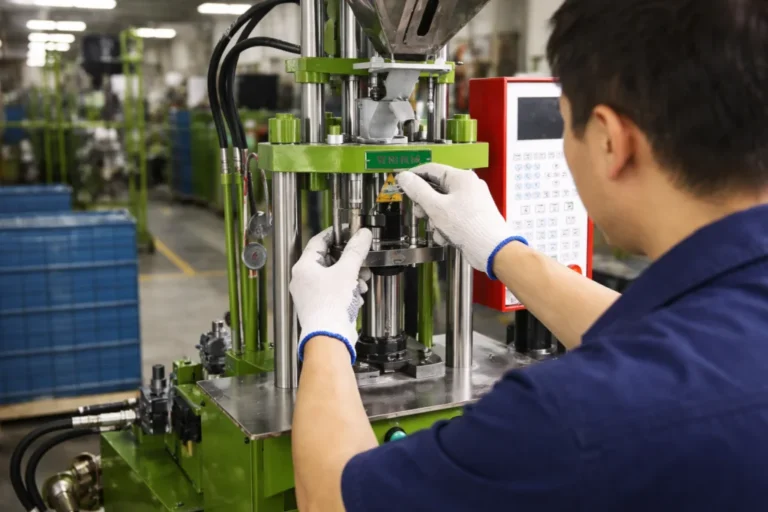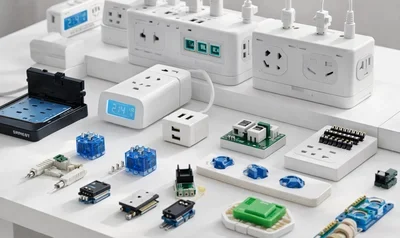
Insert molding
The insert goes into the mold before the shot, so plastic forms around metal instead of being assembled onto it.
Read the solution
This index is ordered by the way a part is produced, not by the machine on the floor. Each entry opens with the problem it answers, says when it is not needed at all, and names what still has to be confirmed before anything is quoted.
A solution is a way of producing, not a catalogue item: what it answers, when it is unnecessary, and what has to be confirmed first.
The insert goes into the mold before the shot, so plastic forms around metal instead of being assembled onto it.
Read the solutionA second plastic body is molded onto a part that already exists, and that boundary is where the difficulty sits.
Read the solutionTwo lower halves move under one clamp, so loading and the shot stop competing for the same minutes.
Read the solutionSeveral lower halves travel around a fixed clamp, so loading and molding run at once on different stations.
Read the solutionRobots, feeders and vision take over loading and take-out, but the cell is designed from how the insert is fed.
Read the solutionAn old machine still makes the part, and the existing mold has to keep running on whatever replaces it.
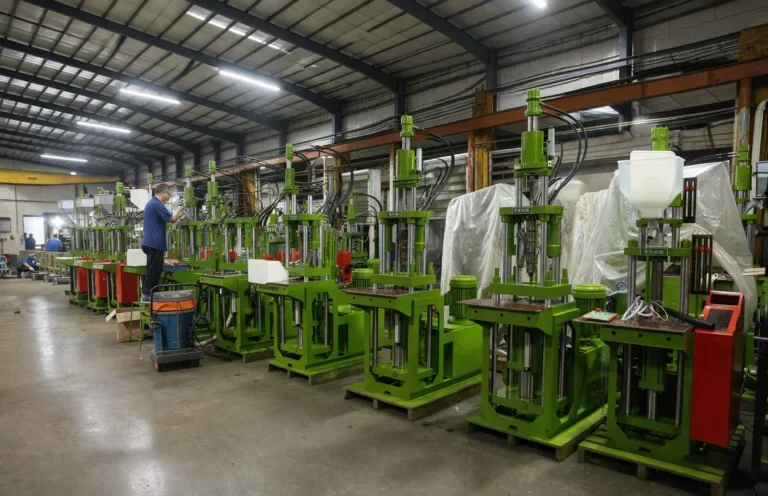
Read the solutionA running part needs more machine hours, so a known configuration is repeated instead of re-engineered.
Read the solutionSend the part, the insert and the step of the cycle that hurts. Which structure follows from those is what the first review is for — and where no structure is needed, that is the answer you get.